The Role of Emotion in Smarter Business Decisions
These emotions are more determinative than most individuals are aware of in the bustling business life in the modern day. People think that great business leaders always make decisions that are guided by purely logical and numerical reasoning, which is not the case because everything is about the emotion of feelings affecting behavior, motivating people to do their job better.
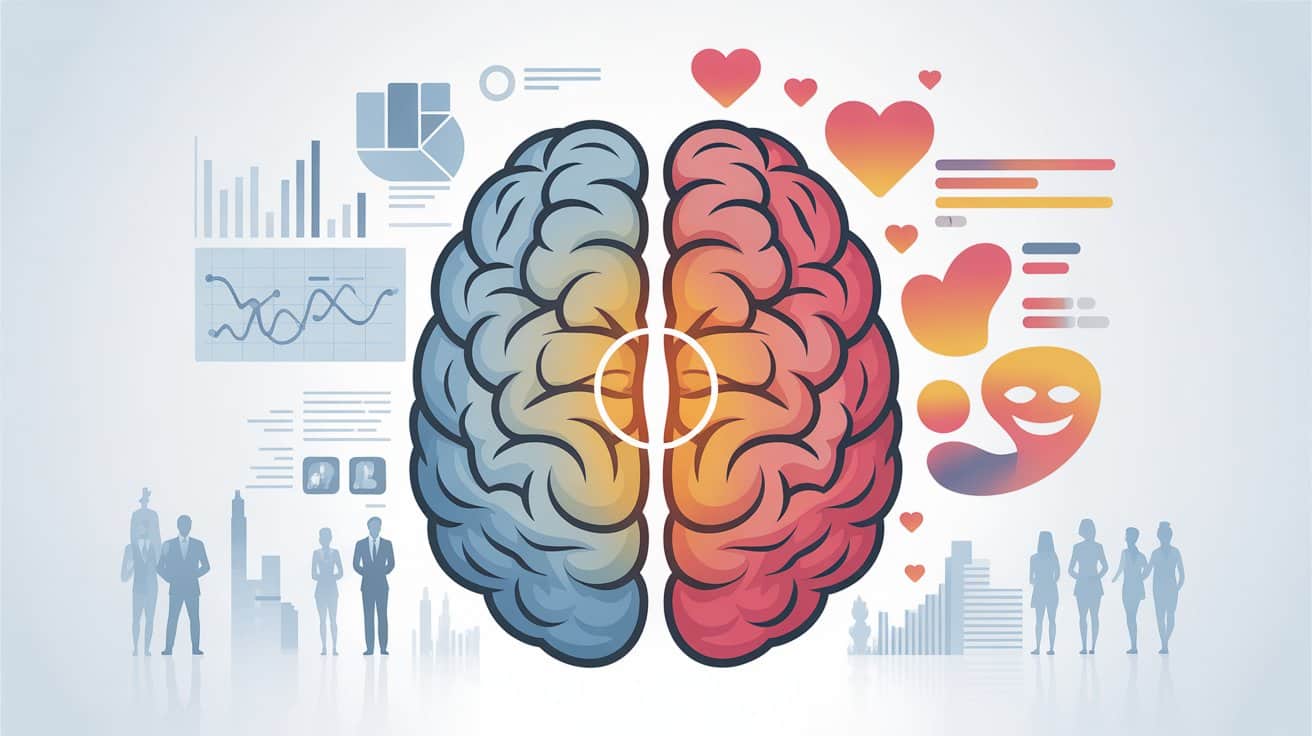
When leaders are more emotionally aware, they have the power to create a good team, enhance communication, and make decisions that not only will be good in terms of profits but people as well. Work places are also more balanced and strategic when emotions are also handled and understood.
Understanding The Role of Emotion in Smarter Business Decisions
The Role of Emotion in Smarter Business Decisions begins with self-awareness. Emotions influence the opportunities and risk perception of individuals. Positive emotion contributes to thinking better and being creative and uncontrolled emotions lead to bias or overreacting. The awareness creates trust and assists in the establishment of better professional relationships.
The reason why emotions matter in business decisions.
All decisions consist of logic as well as emotion. The Role of Emotion in Smarter Business Decisions is about striking equilibrium. As an example, an assertive nature will promote risky yet rational choices. Anxiety or fear could help avoid expensive errors. There are also emotions that influence the way we perceive information and evaluate people. The manager who is empathetic can be able to solve conflicts quicker than one that does not feel or think these emotional messages and the team members may be sending. Emotional intelligence helps in making ethical and sustainable business judgments boosting morale and performance.
Emotional Intelligence as the Most Important Factor.
This set of skills would improve the collaboration of the team and the ability to cope with stress. When emotions are managed prudently, there will be reduced misunderstanding and improved interaction in businesses. The EI also fosters resilience, whereby such teams can respond to change without going off track.
The Science of Moving the Liminal Use of Emotions.
The studies in business psychology demonstrate that emotional drivers of the brain are highly intertwined with decision making processes. The Role of Emotion in Smarter Business Decisions is not a replacement of logic but its supplement. Emotions are useful in enabling individuals to access a situation within seconds, and knowing what matters the most. As an example, the feeling of fulfillment on the results of the past drives one to stick on, and the lack of fulfillment provokes contemplation. Leaders become better leaders as they understand emotional signals and change their approach to achieve better results. Disregard of feelings, though, may lead to ineffective judgment or missed chances.
Creating an Emotional Intelligence Culture.
The Role of Emotion in Smarter Business Decisions is no longer about individuals, but about whole organizations. The company that enhances emotion awareness helps the companies to provide an environment where employees will feel appreciated and empathized with. Open communication, feedback and empathy are encouraged which makes collaboration stronger. Emotional intelligence models by managers pave the way to trust and respect. This culture minimizes the turnover, boosts productivity and attracts talent that will appreciate emotional attachment over performance. Positive emotional environment promotes innovativeness and sustainability.
Real life applications in day to day business operations.
When one uses The Role of Emotion in Smarter Business Decisions in their day to day activities, it implies that one incorporates emotional comprehension in all their processes. Emotions can be utilized by leaders to enable a negotiating process, inspire teams, and client relationships. An emotionally attached salesperson creates greater loyalty with a customer. When a manager detects stress in the team, he or she will be able to redistribute the workloads to avoid burnout. Regardless of the field based on data, emotional insight can help as it will make strategies more efficient. Emotional intelligence and business analytics are combined to make a rounded-decision.
Feelings and Leadership Effectiveness.
Good leadership cannot be based on knowledge alone, though it is based on emotional intelligence. Leaders who are emotional develop trustiness by being sincerely connected. They are aware when there is low motivation and they know how to boost the morale. The emotional cues help them to make the judgment fairly and reasonably. This type of leadership facilitates group cohesiveness and also motivates workers to deliver their utmost. Empathy in the form of emotions also improves communication to minimize conflicts and misunderstanding.
The Advantages of Feeling the fullness of Business.
Companies that adopt The Role of Emotion in Smarter Business Decisions experience some gains in a variety of aspects. The process of decision-making will be more considerate and participative. There is improved communication in teams, as well as creativity. Emotional balance will help eliminate stress and enhance the well being of the mind which will result in increased job satisfaction. Companies that practice the emotionally sensitive culture get increased brand trust and loyalty. This affections are developed into competitive edge, which makes them different in organizations that base on structure or logic.
The Guide to building Emotional Intelligence in The Workplace.
The organizations should promote emotional development to enhance the strength of The Role of Emotion in Smarter Business Decisions. Empathy, active listening and conflict resolution training programs are useful. Periodical feedback enables the staff to learn their emotional habits and responses. Awareness and patience were another potential benefit of mindfulness practices. The managers are expected to be examples and be composed and understanding even in difficult moments. The more emotionally intelligent team is, the more its operation proceeds without any problems and the bonds it has.
Emotional Bias- Decision Overcoming.
Emotions are helpful, yet they might also be misleading unless dealt with cautiously. The Role of Emotion in Smarter Business Decisions includes the ability to identify and transcend it. Excessive optimism may make unrealistic ambitions whereas fear may prevent innovation. The key is awareness. By spending some time to figure out what causes them to feel in a particular manner, leaders can stop emotionalizing the issue. Employing emotions but never letting them control makes us have a balanced decision-making. This control will bring equity and long term success of strategy and execution.
What is the Future of Emotional Intelligence in Business.
With the changes in workplaces, emotional intelligence will only be an even greater thing to have. The technology cannot substitute the emotions as a human strength, which is highly needed in the time of automation and artificial intelligence. Companies that foster emotional intelligence shall be advantaged in flexibility, innovativeness and relationship. Emotional insight is one of the most important components of strategic success, and the future is organized in companies that take it into account.
Conclusion
Knowledge of The Role of Emotion in Smarter Business Decisions will result to more robust organizations. All interactions including negotiations and team dynamics are affected by emotions. When handled properly, they increase clarity, trust and motivation. Companies, which appreciate emotional intelligence, not only make superior decisions, but also create healthier working conditions. Forces like empathy and strategy together enable leaders to tap human potential and become a force of sustainable growth. Innovative business choices in the new world are not only rational, but emotional.
FAQs
Why is The Role of Emotion in Smarter Business Decisions important for leaders?
It allows the leaders to know their teams more, cope with stress, make rational decisions, which take into account logic and compassion. This increases better relations and productivity.
What is the application of The Role of Emotion in Smarter Business Decisions at work by employees?
Emotional awareness helps employees to express themselves in an understandable way, settle disputes swiftly, and remain inspired. The understanding of emotions enables them to make considerate choices that enable team work and achievement.