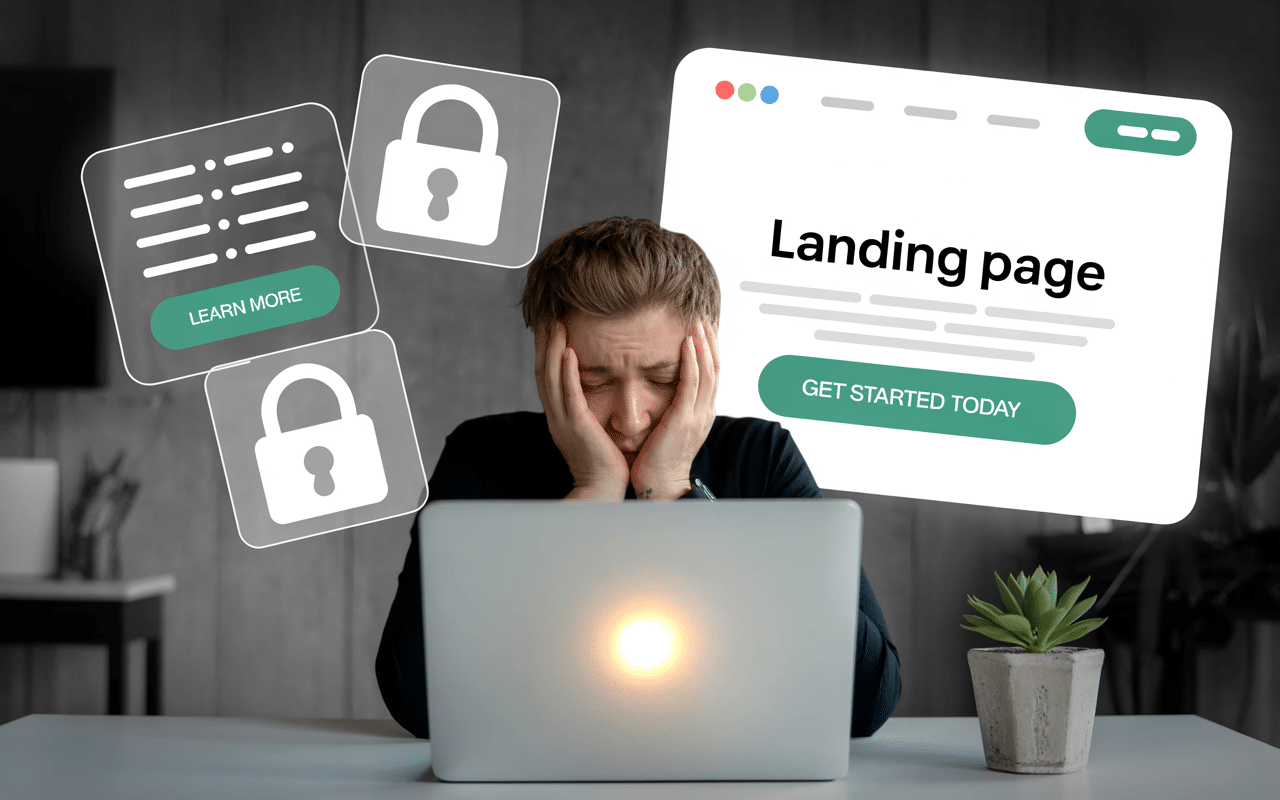
Building a landing page is easier than ever with today’s tools, but making it convert? That’s where most people struggle. Many entrepreneurs, freelancers, and small business owners pour hours into crafting a beautiful page—only to see visitors click away without signing up or buying. Often, the problem isn’t the product or the audience; it’s the small, overlooked landing page mistakes that silently sabotage results. The good news is these mistakes are fixable once you know what to look for. Let’s break down the most common pitfalls and how to correct them so your landing pages start doing their real job: converting visitors into customers.
Ignoring the Power of the First Impression
Your headline and hero section are the first things people see. If they don’t immediately communicate value or spark curiosity, visitors will bounce in seconds. Avoid vague or clever headlines that confuse rather than clarify. Instead, aim for a clear, benefit-driven statement that tells visitors exactly what’s in it for them.
Overloading the Page with Information
Too much text, too many offers, or a cluttered layout overwhelms visitors. A landing page should feel like a guided path toward a single action, not a maze of distractions. Prioritize simplicity: one main headline, one clear message, and one primary call-to-action.
Neglecting Trust Signals
People hesitate to convert if they don’t trust you. Missing testimonials, customer logos, or even basic elements like a privacy statement can create doubt. Build credibility with authentic reviews, quick facts about your expertise, or even data points that show your solution works.
Weak Call-to-Action
Your call-to-action (CTA) isn’t just a button—it’s your final pitch. Many pages hide it below the fold, use dull text like “Submit,” or fail to make it stand out visually. A high-converting CTA is bold, visible, and specific about the next step, like “Get My Free Guide” or “Start Your Free Trial.”
Skipping Mobile Optimization
A landing page that looks great on desktop but breaks on mobile will bleed conversions. Considering more than half of web traffic is mobile, responsive design isn’t optional—it’s essential. Test your layout, images, and CTA buttons on multiple screen sizes to ensure a smooth experience everywhere.
Forgetting Visual Flow and Copy Placement
Design isn’t just about aesthetics; it guides the eye. If your visuals compete with your message or your CTA blends into the background, your page won’t perform. Place CTAs where they’re naturally visible during scrolling, use contrasting colors, and ensure that each section leads the reader logically toward taking action.
Failing to Test and Improve
A static landing page is a wasted opportunity. Without testing different headlines, layouts, or CTA wording, you’re guessing what works. Even simple A/B tests can reveal small tweaks that boost conversions significantly.
Bringing It All Together
Most of these landing page mistakes stem from a lack of a clear framework—something that connects design, copy, and user psychology into a cohesive system. That’s why having structured guidance can be a game changer. The High-Converting Landing Page Frameworks Ebook is one such resource. It outlines proven headline formulas, visual flow strategies, and testing checklists that can help you avoid these pitfalls and build pages that actually convert. You don’t need a degree in marketing to make your landing page work harder; you just need the right roadmap.
Conclusion:
A landing page isn’t just a digital poster; it’s the bridge between interest and action. By avoiding these seven mistakes—unclear headlines, cluttered layouts, missing trust signals, weak CTAs, poor mobile design, bad visual flow, and lack of testing—you’ll instantly improve how your page performs. Focus on clarity, trust, and usability first. With the right guidance, you can turn your landing pages into powerful conversion engines that support your business growth.