
Active listening can transform you into a more powerful, confident speaker. Learn practical tips, examples, and strategies today.
Why Listening Shapes Great Speaking
When people think about becoming a better speaker, they usually focus on improving their tone, body language, or presentation style. Yet the true foundation of effective communication is often overlooked: active listening.
Listening is not just about hearing words. It’s about understanding meaning, noticing emotions, and responding in a way that shows genuine engagement. A speaker who listens deeply to others communicates with more clarity, empathy, and confidence.
Think about it: the leaders and speakers we admire most don’t just talk at us — they make us feel heard. That connection starts with listening.
The Hidden Link Between Listening and Speaking
At first glance, speaking and listening seem like opposites. But in reality, they feed into each other. Active listening helps you:
- Understand your audience better – so your message resonates.
- Respond with relevance – instead of delivering generic lines.
- Build trust – because people sense when you actually care.
- Adapt your tone and words – depending on the feedback you hear.
For example, a teacher who listens to students’ questions becomes a more effective lecturer. A manager who listens to employees communicates with greater authority. And a public speaker who listens to their audience’s reactions during a talk adjusts their pace and content naturally.
Without listening, even the most polished speech falls flat.
What Is Active Listening?
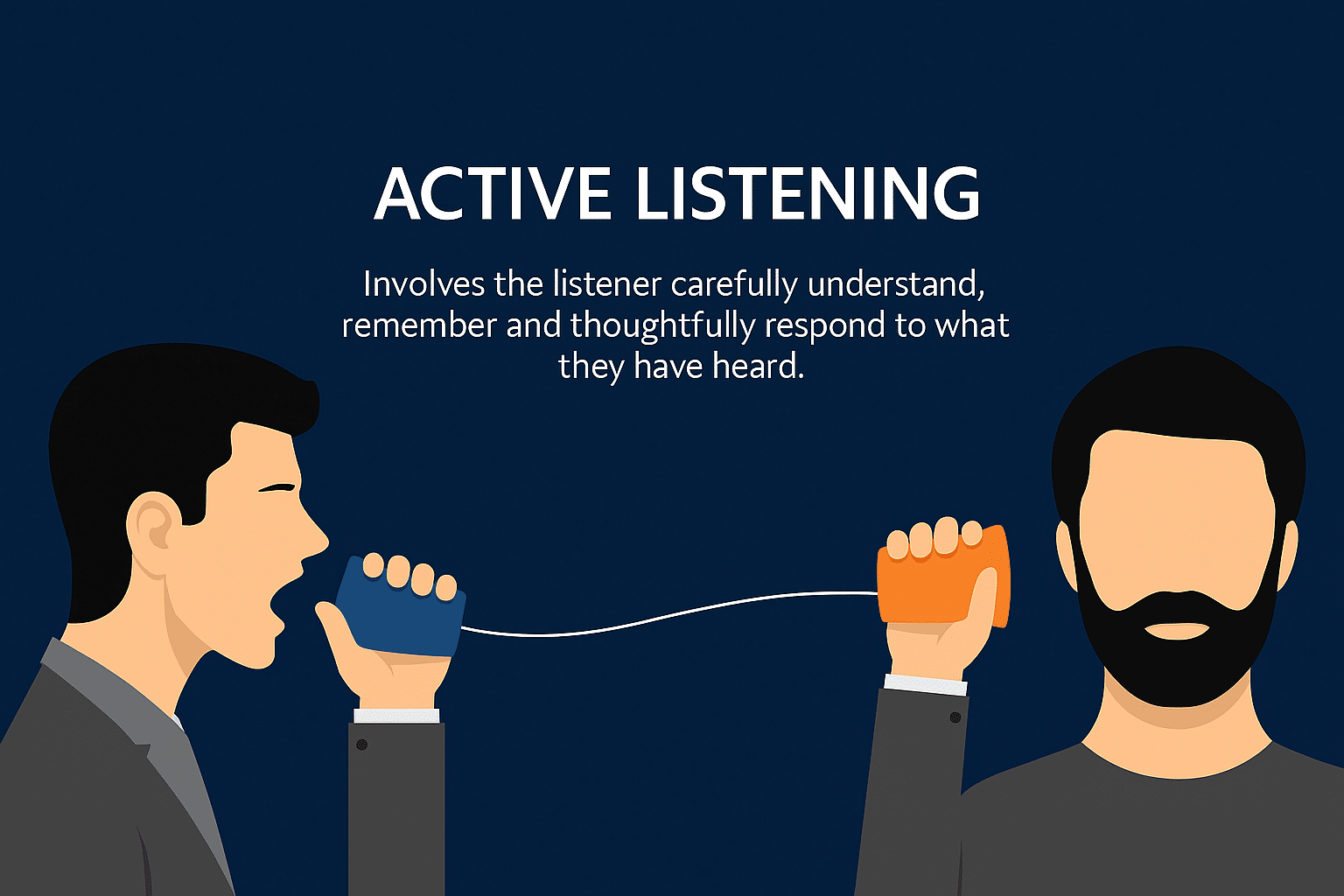
Active listening goes beyond nodding politely or waiting for your turn to speak. It’s a skill that requires presence and practice.
Here’s what active listening really means:
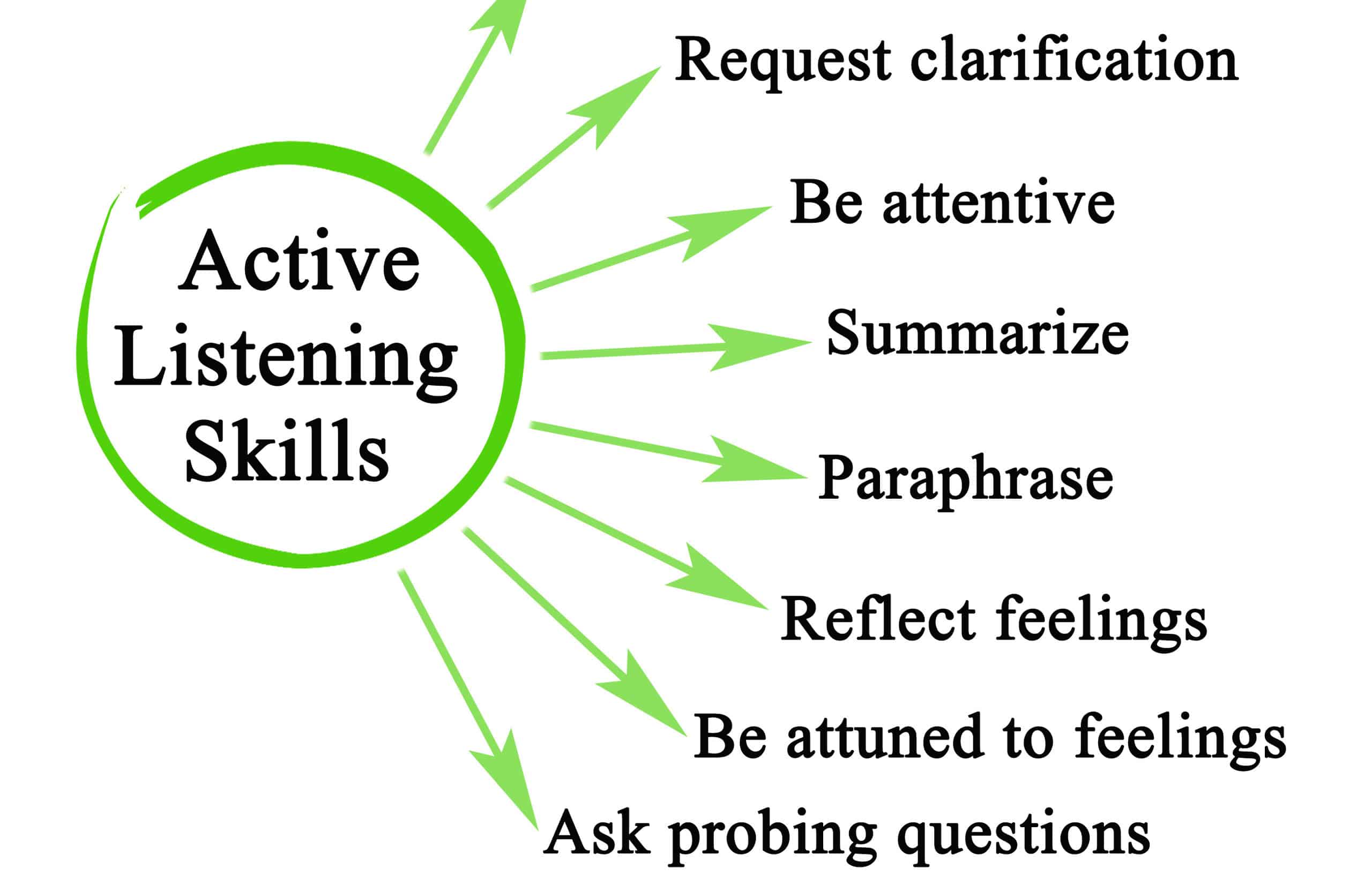
- Giving full attention – putting away distractions like phones.
- Observing body language – noticing non-verbal cues.
- Asking clarifying questions – to ensure you truly understand.
- Reflecting back – repeating key points to show you’re engaged.
- Holding back judgment – listening without rushing to respond.
By practicing these techniques, you not only improve your listening but also gain insights that make your speaking sharper and more impactful.
How Active Listening Builds Confidence in Speaking
One of the biggest fears in public speaking is “What if I don’t know what to say?” Active listening is the solution. When you listen first, you always have a starting point.
Imagine being asked a tough question during a Q&A. If you’ve listened carefully, you’ll pick up on the real concern behind the question and answer more confidently.
Listening also removes the pressure of having to be perfect. You don’t need to have all the answers immediately — just show that you heard the question, acknowledge the person, and respond thoughtfully. That’s powerful communication.
Examples of Great Listeners Who Became Great Speakers
History and everyday life are full of examples where listening shaped powerful communication:
- Barack Obama – Known for his calm, thoughtful speaking style, Obama often paused to listen deeply before responding, making people feel valued.
- Oprah Winfrey – Her success as a talk show host came not from constant talking, but from her ability to listen with empathy, drawing powerful stories from her guests.
- Great Coaches – From Phil Jackson in basketball to Jürgen Klopp in football, the best coaches listen to their players’ emotions and struggles, then speak in ways that motivate and inspire.
These examples prove that listening doesn’t weaken your voice — it strengthens it.
The Role of Listening in Everyday Communication
You don’t need a stage or spotlight to benefit from active listening. In daily life, the link between listening and speaking shows up everywhere:
- Workplace: A boss who listens to employees’ frustrations communicates with credibility.
- Relationships: A partner who listens deeply creates stronger emotional bonds.
- Networking: At events, the person who listens attentively stands out more than the one who dominates conversations.
When you practice listening in small interactions, your speaking improves naturally.
Practical Ways to Improve Active Listening
If you want to sharpen your listening (and therefore your speaking), try these simple techniques:
- Pause before replying – Instead of jumping in, take a second to process.
- Mirror back key phrases – “So what you’re saying is…” shows engagement.
- Focus fully on the speaker – Eye contact, no multitasking.
- Listen for emotions, not just words – What’s behind what they’re saying?
- Ask open-ended questions – Encourage the other person to expand.
Practicing these daily helps build natural listening habits that transform your communication style.
Active Listening in High-Pressure Situations
Communication under pressure is where listening becomes even more valuable. In moments of conflict, crisis, or high stakes, many people focus on defending themselves or pushing their point. But the leader who listens first gains control of the conversation.
Consider a CEO handling tough questions during a financial downturn. By listening carefully, acknowledging concerns, and then speaking with empathy, they calm the room and gain trust.
Or think of a political leader responding to a heated debate. By listening instead of reacting defensively, they appear composed and credible.
In pressure-filled moments, listening is your anchor.
Why Audiences Love Speakers Who Listen
Audiences can feel whether a speaker is truly engaged or just performing. When you listen to your audience, even silently, they sense it. You notice their body language, adjust your delivery, and create a real connection.
This is why comedians constantly listen to the room. If a joke doesn’t land, they change direction instantly. Similarly, motivational speakers often pause, ask questions, or acknowledge reactions — all forms of listening.
Audiences love speakers who listen because it makes the experience interactive, not one-sided.
Turning Listening Into Your Speaking Superpower
At its core, communication is not about impressing people with big words or perfect speeches. It’s about connection. Active listening is the shortcut to that connection.
When you listen:
- Your words feel more relevant.
- Your tone carries more empathy.
- Your audience feels respected.
Over time, listening becomes your speaking superpower. The more you listen, the less you worry about “What should I say?” — because the answer will reveal itself through understanding.
Listen First, Speak Better
The best speakers are not the loudest, most confident voices in the room. They are the ones who listen first, speak second, and communicate with authenticity.
Active listening is not a soft skill — it’s a powerful strategy for leadership, public speaking, relationships, and everyday communication. If you want to be remembered as someone who speaks with impact, start by listening with intention.
Because in the end, listening is what makes your voice worth hearing.
FAQs
1. Can listening really make me a better public speaker?
Yes. Listening helps you understand your audience, adapt your message, and respond with confidence.
2. How can I practice active listening daily?
Put away distractions, make eye contact, and reflect back what you hear. Even small steps improve your skills.
3. Is listening more important than speaking?
Both matter, but listening often comes first. Strong communication is built on understanding.
4. Why do audiences prefer speakers who listen?
Because they feel valued. Listening creates connection and trust.
5. Does active listening help in leadership?
Absolutely. Leaders who listen gain credibility, loyalty, and the ability to communicate with impact.