Psychological Triggers That Drive Consumer Behavior
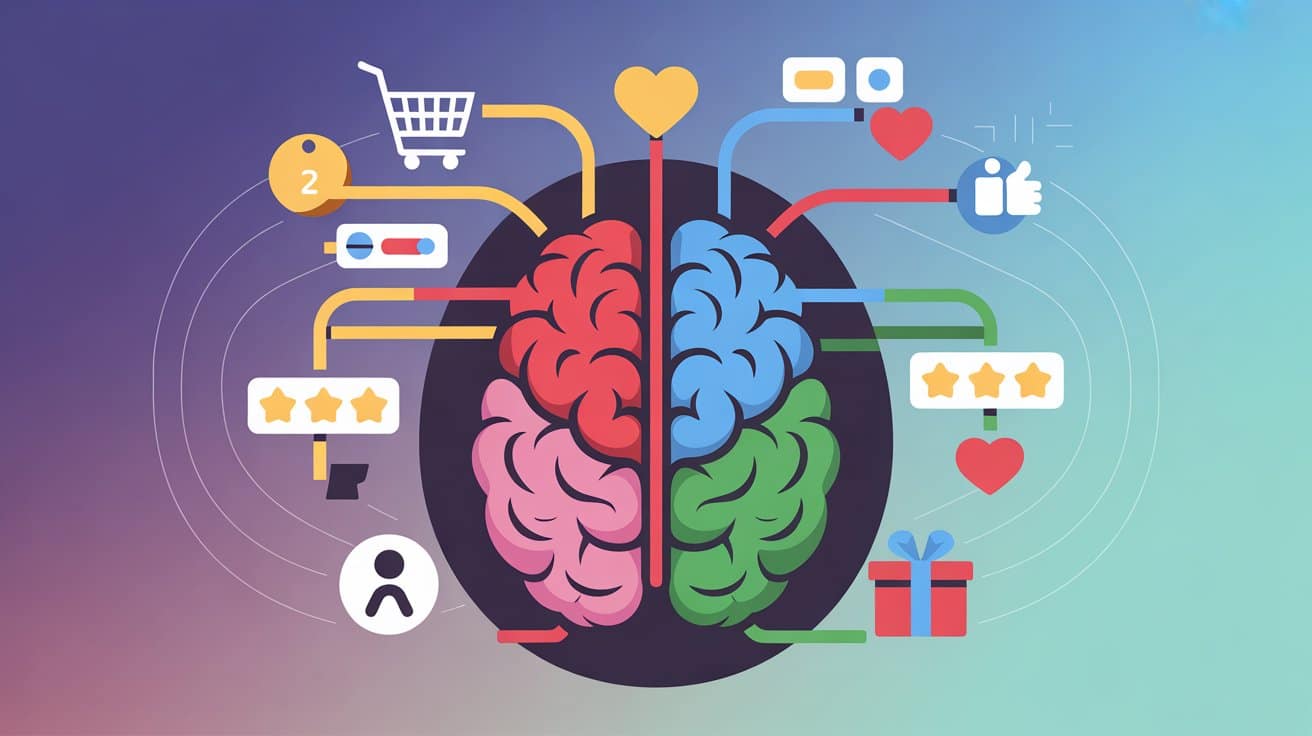
Knowing why people buy is one of the strongest skills of contemporary business. Although it is price, quality and convenience that are involved, the heart is always held together by emotions and mental developments. The anthropology of Psychological Triggers That Drive Consumer Behavior aids companies to relate to the customers; it makes them relate more deeply. It is not just a matter of persuading people to buy but it is rather about knowing what will make them act.
These triggers determine decisions daily and may be a curiosity, trust, fear of missing out, or the need to fit in. Understanding their operation enables the brands to create superior products, create loyalty and enhance customer experiences.
What Are Psychological Triggers That Drive Consumer Behavior?
Psychological Triggers That Drive Consumer Behavior are emotional and perceptual cues which are used by consumers to think, feel, and behave in certain ways in purchasing decisions. These stimuli are usually delicate but strong. They exploit the psychological instincts influencing the response without thinking. As an example, the feeling of urgency can make customers move more quickly whereas seeing how people are enjoying a product (social proof) creates trust. By knowing these triggers, businesses have the right insight into marketing better. They are able to come up with messages that are emotionally appealing and will result into actual interaction.
The Consumer Decision Making Power of Emotion.
Most of our decisions are influenced by emotions. The satellite The satellite of emotional reactions. Individuals hardly ever purchase based on any practical factors, they purchase because it feels right. Purchases may be motivated by happiness, excitement or even nostalgia. A brand that creates positive sentiments creates long time loyalty. As an example, advertisements that put a smile on a person or make them feel that they are understood can result in more emotional attachments. Businesses that appeal to the emotional dimension of marketing and not only the logical dimension, naturally encourage people to act.
The Part that Trust plays in Forming Behavior.
One of the most crucial as well as depends on trust. Once consumers have confidence in a brand, then they tend to purchase, refer and remain loyal. Trust is built on quality, honesty and transparency. The customers trust that a single company will listen to them and keep all them. This creates a level of trust which is not easy to be substituted by the competitors. In case of the trust, the price has no concern since customers have attachment in the relationship more than the transaction.
Urgency and Scarcity Decision Drivers.
A typical example of the Psychological Triggers That Drive Consumer Behavior is the fear of missing out. Whenever individuals have a feeling that a product is scarce or time conscious, they do not waste time by taking inappropriate actions. Such words as only a few left or offer ends soon give an urgency of the words. This stimulus is effective as scarcity is a perception booster. Humans desire the appearance of exclusiveness or rarity. Companies which make such a trigger without pushiness to their customers can promote quicker ruling and avoiding unethical urging on customers.
The Belongingness and Social Influence Need.
People are social creatures and they tend to find affiliation and acceptance. The belongingness need is one of the most powerful ones. Human beings tend to purchase items which enable them to fit or identify with a group. The desire and credibility to use a product reach through seeing friends or influencers. Social evidence, e.g. reviews or testimonials, supports that choice. The loyalty to consumers increases when they feel to belong to a community. Niche brands that can form this perception of belonging to are usually characterized by long-term customers.
Giving and the Power of Reciprocity.
The other important element amongst the Psychological Triggers That Drive Consumer Behavior is reciprocity. A person receives a gift however minimal and instinctively wants to give something in return. This activation occurs in promotional plans such as sample tests, trial versions or content bundles. Businesses can gain goodwill by sharing something with them first and raising the likelihood of conversion. People like generosity and it assists into creating a favorable emotional bond. The idea of reciprocity makes potential customers become overall supporters due to its appeal to fairness and gratitude.
The Comfort of Familiarity
Recognizability contributes a not very vocal yet significant part with regards to the Psychological Triggers That Drive Consumer Behavior. Customers tend to stick to brands which are familiar to them. This is comfort-seeking and perceived less risky since this is what is known. This is enhanced by exposure repetition due to consistent branding, tone and messaging. Trust is built with familiarity and no additional effort is made. The same principle can be implemented by other companies that appear in 2019, ensuring the consistency of communications and style so that a customer does not forget about their brand and still feels safe about it.
Power and Goodwill in Decision-Making.
One of the most powerful Psychological Triggers That Drive Consumer Behavior is the authority. Whenever a product is promoted by experts or well-known personalities, then their people will tend to believe and buy it. Power provides comfort, particularly in competitive businesses. There is a credential of a professional, or someone one relies on and a message is enhanced by a recommendation. That is why such devices as certifications, testimonials, and expert opinions have such power in advertising. Brands that have achieved authority due to experience and success can have credibility that facilitates long-term trusting.
The contribution of Curiosity and Anticipation.
People need to be curious to discover, know and interact. It is one of the Psychological Triggers That Drive Consumer Behavior that marketers make good use of. Something interesting, however, not entirely disclosed, attracts attention. Teaser campaigns or mystery deals are effective as they create the imagination. Human beings desire to know what happens or answers to their questions. Waiting makes them emotionally engaged, twitching to make some move as soon as the reveal occurs. This trigger becomes most effective in cases where the final result has been achieved or had to be above expectations, which makes satisfaction.
The influence of Personal Identity on Making Purchases.
The relationship between self-image and purchase is very high. The Psychological Triggers That Drive Consumer Behavior tend to blend with the perceptions that people have towards themselves or that they wish to have. Products may be status, style or values. An individual may make good environmental choices by opting to use brands that are environmentally friendly or high luxury brand to show off. Brands that are consistent with the personal identity create emotional loyalty. Human beings tend to associate with organizations that mirror their thinking and dreams thus identity is a fundamental element driving consumer behavior.
Stability and the Desire to Identity.
Individuals like stability in their beliefs, behaviors, as well as image. The although include the requirement of the interior unity. When the consumers get attached to a brand, they will have this tendency of remaining loyal to the brand in order to have the same feeling. As an illustration, a person who contributes towards a cause will probably buy brands that are related to the cause. Establishing consistent values through communication by the companies, the customers continue to purchase because it becomes natural and real. Regularity will make decisions less tiring and develop in habits.
Implementation of Psychological Triggers in Marketing.
The Psychological Triggers That Drive Consumer Behavior ethically can be used by the business to reinforce relationships. Knowing what customers are getting inspired, they can establish sincere and heart-touching ties. Trust-based, empathetic, and value-based campaigns are honest and successful. Emotional strategies which are not manipulate are the best. They are people who are interested in real issues and providing quality experience. When it is correctly executed, the strategy boosts satisfaction, loyalty, and brand promotion. Knowing these triggers is not only a benefit of marketing, but it is a pillar of sustainable success.
Conclusion
The Psychological Triggers That Drive Consumer Behavior demonstrate the impact of emotion, trust and perception on daily decision-making. Companies that are aware of such triggers will be better matched with customers to enhance loyalty and interest. Be it trust, belonging or curiosity, emotions triggering motivate the majority of what people purchase and the rationale. Comparing both insight and authenticity would enable brands to develop meaningful experiences extending their sales. Knowing how human beings act is the determining factor of not only being smarter but also succeeding in the long run. The corporations, which appreciate and implement these concepts, will gain strength in the ever-changing marketplace.
FAQs
What is the value of Psychological Triggers That Drive Consumer Behavior to businesses?
They assist the firms in determining the use of emotions and perceptions in influencing the purchase decisions and thus the firms are able to design the marketing strategies to reach the customers in a more appropriate manner.
How can brands use Psychological Triggers That Drive Consumer Behavior ethically?
Responsible application of these triggers by brands can be through concentrating on trust, honesty, and real values so that the effect of the emotional influence is satisfaction and not manipulation.