How to build a marketing funnel that attracts, nurtures, and converts customers into loyal fans—like magic!
Have you ever wondered why some businesses seem to turn strangers into loyal customers almost effortlessly? That’s not luck—it’s the power of a well-built marketing funnel. Think of it like a roadmap that guides your audience step by step, from curiosity to conversion. And when you get it right, the results feel nothing short of magical.
In this blog, I’ll walk you through how to build a marketing funnel that doesn’t just attract clicks but creates customers who stick around and spread the word about your brand.
Understanding the Marketing Funnel
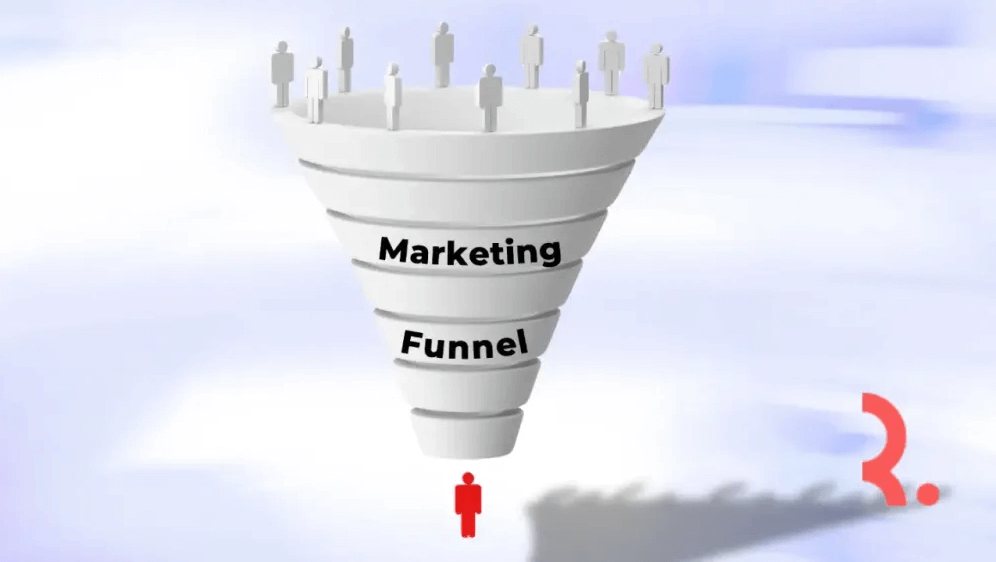
At its core, a marketing funnel is simply the journey your audience takes before becoming paying customers.
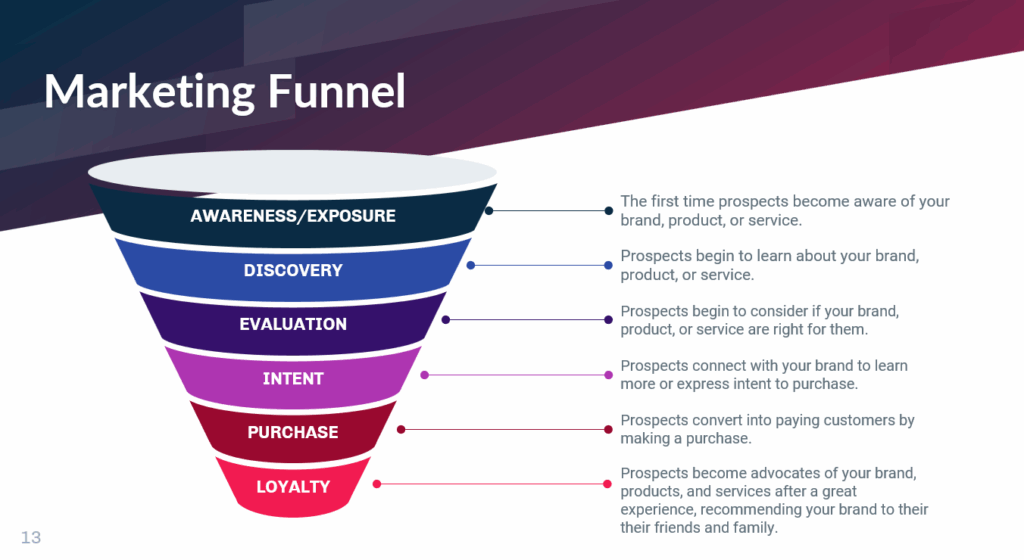
It’s usually broken into three main stages:
- Top of the Funnel (Awareness): People discover you exist.
- Middle of the Funnel (Consideration): They explore what you offer.
- Bottom of the Funnel (Conversion): They finally make a purchase.
But here’s the catch: most businesses lose potential buyers along the way. That’s why your funnel needs to be strategic, engaging, and customer-focused.
Step 1: Know Your Audience Inside Out
Building a funnel without understanding your audience is like trying to sell ice to Eskimos—it just won’t work.
Ask yourself:
- Who are my ideal customers?
- What problems keep them up at night?
- What solutions are they desperately searching for?
Create buyer personas—fictional profiles that represent your ideal customers. The more you understand their needs, fears, and desires, the easier it will be to craft messages that resonate.
Pro tip: Use tools like Google Analytics, surveys, and social media insights to gather real data about your audience.
Step 2: Craft a Lead Magnet That’s Irresistible
At the top of your funnel, you need a hook—something valuable enough for people to give you their email or contact details.
Examples of irresistible lead magnets include:
- Free eBooks or guides
- Webinars or mini-courses
- Discounts or coupons
- Templates, checklists, or toolkits
The key? It must solve a specific pain point your audience has. A vague “subscribe for updates” won’t cut it.
Step 3: Build Trust with Nurturing Content
Once someone enters your funnel, it’s not time to pitch yet—it’s time to build trust.
Here’s how:
- Email Sequences: Send personalized emails with tips, resources, and success stories.
- Blog Posts: Create value-driven content that educates and entertains.
- Social Media Touchpoints: Share behind-the-scenes, customer stories, and bite-sized advice.
Remember, people don’t buy from strangers—they buy from brands they trust. Your goal here is to shift them from “Who are you?” to “Wow, you really understand me.”
Step 4: Design a Conversion-Optimized Landing Page
When your audience is ready to take action, the landing page is where the magic happens.
Here’s how to make it convert:
- Use a clear and bold headline.
- Add testimonials or case studies for social proof.
- Keep the design simple—remove distractions.
- Have a single, strong call to action (CTA).
Example: Instead of a vague button that says “Submit,” use action-driven text like “Get My Free Guide” or “Start My Trial Now.”
Step 5: Follow Up Like a Pro
Even after purchase, your funnel shouldn’t stop. Loyal customers are the real goldmine—they spend more, stay longer, and bring referrals.
Here’s how to extend your funnel post-conversion:
- Send a warm thank-you email.
- Upsell or cross-sell relevant products.
- Offer loyalty programs or exclusive perks.
- Ask for feedback and reviews to strengthen credibility.
Think of this as turning a one-time buyer into a lifelong fan.
The Secret Ingredient: Consistency + Optimization
A funnel isn’t a “set it and forget it” system. You need to monitor and tweak constantly.
Track metrics like:
- Click-through rates
- Email open rates
- Conversion rates
- Cost per lead
Run A/B tests on your emails, ads, and landing pages. Small changes—like button colors, wording, or layouts—can boost conversions significantly.
Real-Life Example of a Magic Funnel
Let’s say you run a fitness coaching business.
- Top of Funnel (Awareness): You run Instagram ads offering a free “7-Day Healthy Meal Plan.”
- Middle of Funnel (Consideration): You send an email sequence with tips, success stories, and free workout videos.
- Bottom of Funnel (Conversion): You invite them to a webinar where you pitch your premium coaching program.
- Post-Purchase: You send follow-ups with bonus resources and referral discounts.
This journey feels seamless to the customer but is carefully designed by you.
Final Thoughts
Building a marketing funnel that converts like magic isn’t about tricking people—it’s about understanding them, guiding them, and delivering value at every step.
When you combine psychology, trust, and smart automation, your funnel becomes more than a sales tool—it becomes an experience people enjoy being part of.
So, are you ready to start building yours? The sooner you create your funnel, the sooner you’ll see your business transform from chasing customers to attracting them like magic.