Why Sleep and Stress Are Connected
Have you ever noticed how a bad night’s sleep makes even the smallest problems feel overwhelming? Or how stress from work or family keeps you tossing and turning at night? This isn’t just in your head—it’s science. Sleep and stress have a two-way relationship. Lack of sleep increases stress hormones like cortisol, and high stress disrupts the ability to fall asleep or stay asleep.
When stress piles up, your body enters “fight or flight” mode. Your heart rate rises, your breathing gets shallow, and your mind races. In this state, the body doesn’t want to rest—it wants to survive. That’s why you may lie in bed exhausted but unable to switch off. Over time, this cycle creates long-term issues for both mental health and physical health.
The Science Behind Stress and Sleep Problems
The brain’s stress system involves the hypothalamus, pituitary gland, and adrenal glands. When you’re stressed, these parts release cortisol. A little cortisol in the morning is normal—it helps you wake up. But too much cortisol at night keeps your body alert when it should be winding down.
Meanwhile, sleep is regulated by melatonin. Stress interferes with melatonin production, confusing your natural sleep cycle. The result? Insomnia, restless nights, and waking up tired even after hours in bed. Studies have shown that people under chronic stress are twice as likely to suffer from poor sleep quality.

How Poor Sleep Makes Stress Worse
Sleep is the brain’s reset button. During deep sleep, the body repairs muscles, processes emotions, and clears waste from the brain. Without enough deep rest, you wake up more irritable, less focused, and more likely to overreact to challenges. Even small tasks, like answering emails or cooking dinner, can feel like heavy burdens.
Think about a time you pulled an all-nighter. The next day, everything felt more stressful, right? That’s because your brain didn’t get the downtime it needed. Over time, this pattern leads to burnout, anxiety, and even depression.
Real-Life Examples of the Cycle
Consider Sarah, a young professional working in marketing. She’s under pressure to meet deadlines, so she stays up late finishing projects. The lack of sleep makes her forgetful and moody, which stresses her out even more. She drinks extra coffee to push through the day, but the caffeine makes it harder to sleep at night. This cycle keeps repeating.
Or look at athletes preparing for big games. Coaches often remind them that rest is as important as training. If they’re too stressed about performance and sleep poorly, their physical and mental abilities decline on game day. The same is true for students, parents, and business owners—anyone juggling responsibilities feels this cycle.
Small Lifestyle Shifts That Break the Cycle
The good news? You don’t need a complete life overhaul to fix both stress and sleep. Small, consistent changes can make a big difference.
- Set a wind-down routine: Create a 30-minute ritual before bed. Dim the lights, read a book, or take a warm shower. This signals to your brain that it’s time to relax.
- Limit screen time: Blue light from phones and laptops suppresses melatonin. Try putting your phone away an hour before sleep.
- Mindful breathing: Just five minutes of deep breathing lowers heart rate and reduces stress hormones, helping the body prepare for rest.
- Stay consistent: Going to bed and waking up at the same time daily regulates your body clock, making sleep more natural.
- Cut caffeine late in the day: That afternoon coffee might be the reason you’re lying awake at night.
Stress Management Practices That Improve Sleep
Stress won’t disappear, but you can control how your body reacts to it. Here are practices backed by science:
- Journaling: Writing down your worries before bed clears mental clutter.
- Exercise: Physical activity burns off excess stress hormones. Morning or afternoon workouts are best, as late-night exercise can energize you instead of relaxing you.
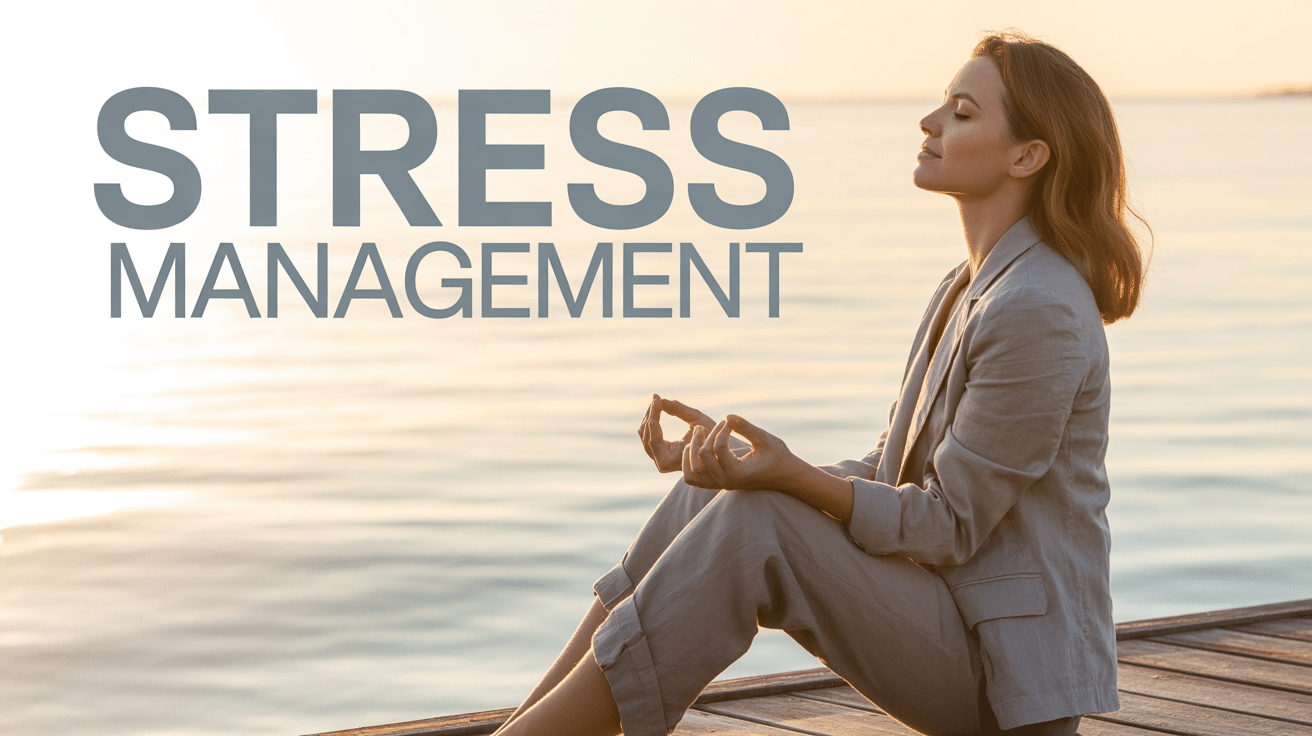
- Meditation: Even 10 minutes of guided meditation reduces anxiety and promotes deeper sleep.
- Progressive muscle relaxation: Tensing and releasing muscles from head to toe eases physical tension.
- Nature exposure: Sunlight helps regulate melatonin, and time outdoors reduces cortisol.
Foods and Drinks That Help Reduce Stress and Improve Sleep
Your diet plays a surprisingly big role. Certain foods promote relaxation and sleep:
- Magnesium-rich foods: Almonds, spinach, and bananas help relax muscles.
- Herbal teas: Chamomile and lavender tea calm the nervous system.
- Tryptophan foods: Turkey, oats, and milk support melatonin production.
- Avoid sugar and processed food: These cause energy spikes and crashes that worsen stress.

When to Seek Professional Help
Sometimes stress and sleep issues are signs of deeper problems like anxiety disorders, depression, or sleep apnea. If poor sleep continues for weeks despite lifestyle changes, it’s worth talking to a doctor or therapist. Professional help can provide tools like cognitive behavioral therapy (CBT) or medical treatment if needed.
The Ripple Effect of Fixing Sleep and Stress Together
Here’s the exciting part: once you start improving one, the other follows. Better stress management means better sleep. Better sleep means your mind is calmer and more resilient to stress. This creates a positive feedback loop, boosting your energy, productivity, and happiness.
Imagine waking up refreshed, handling daily challenges with patience, and ending the day with ease instead of exhaustion. That’s the power of fixing both sleep and stress together.
Practical Action Plan You Can Start Tonight
To wrap up, here’s a quick plan anyone can try:
- Set a bedtime routine—no screens, dim lights, calming activity.
- Practice 5 minutes of deep breathing or journaling before bed.
- Cut caffeine after 3 PM and avoid heavy meals late at night.
- Aim for 7–9 hours of sleep consistently.
- Add one stress-reducing activity to your day—like a walk, meditation, or light exercise.
Consistency is the secret. Start small, stick with it, and you’ll see results.
Final Thoughts
Stress and sleep are two sides of the same coin. Ignore one, and the other suffers. But when you take care of both, you create a healthier, calmer, and more productive version of yourself. Remember, rest is not a luxury—it’s a necessity for your body and mind.
So tonight, instead of scrolling on your phone until midnight, try putting it away, take a few deep breaths, and give yourself the gift of real rest. Your future self will thank you.