Discover how brands secretly use AI tools and chatbots to grab attention, shape buying decisions, and create marketing strategies that feel almost magical.
The Hidden World of AI in Marketing
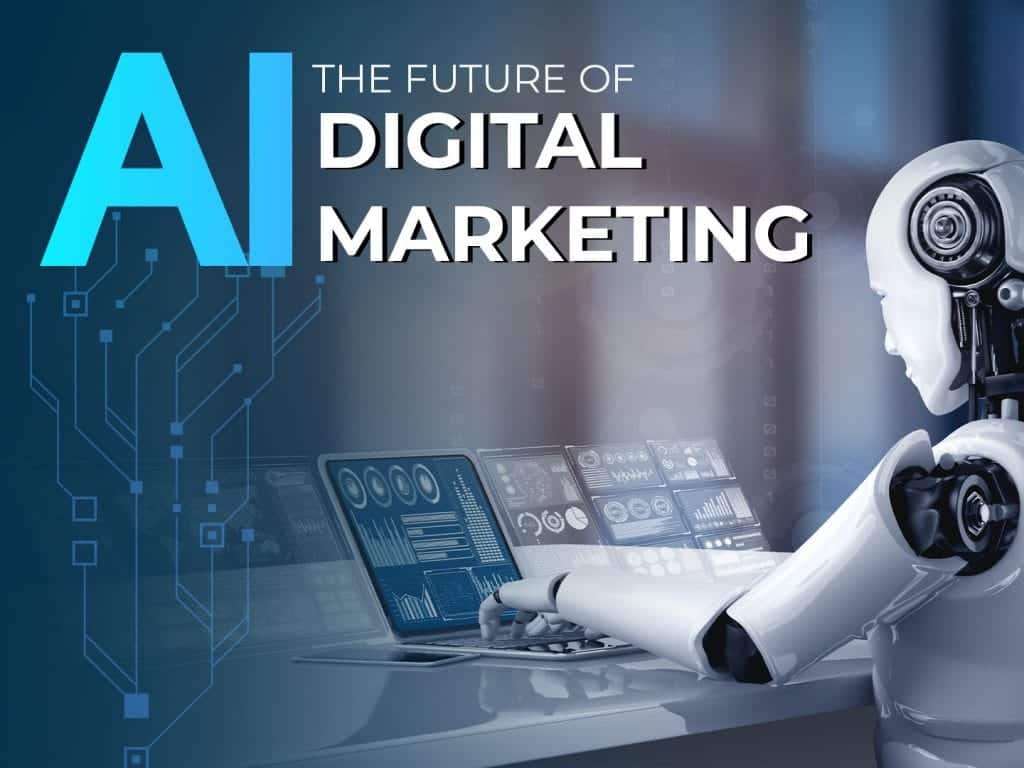
If you’ve ever wondered why certain ads feel as though they read your mind, or why a chatbot on a website seems unusually human, you’ve already met the mysterious side of artificial intelligence in marketing. While brands present AI as a simple convenience tool, behind the scenes it operates with precision and strategy that feels almost invisible. These aren’t just algorithms. They’re quiet game changers, designed to capture attention in ways most people don’t even realize.
Why Brands Keep AI a Secret Weapon
For decades, marketers relied on traditional strategies: catchy slogans, billboards, and mass advertising. But AI flipped the script. Instead of broadcasting to everyone, brands can now whisper directly into the ears of the people most likely to listen. The mystery comes from how seamless this feels. You search for a new phone, and suddenly every ad you see seems tailored to your exact taste. It’s no coincidence—it’s AI tracking patterns you didn’t know you were leaving behind.
Brands rarely highlight the extent of AI’s influence because transparency might break the illusion. Consumers want to feel they made choices freely, not nudged by a system that knows them better than they know themselves.
Chatbots That Disguise as Humans
Think about the last time you visited a brand’s website and a little box popped up: “Hi, how can I help you today?” Chances are, it wasn’t a real person. Modern AI chatbots use natural language processing to sound empathetic, warm, and human.
But the secret lies deeper. These chatbots don’t just answer questions—they subtly guide you toward buying decisions. They suggest products you didn’t plan to buy, create urgency with limited-time offers, and even remember your preferences from past visits. What feels like helpful conversation is often a carefully designed funnel.
Some users even admit they felt more comfortable talking to a chatbot than a real human agent. Why? Because AI never gets tired, never judges, and is always available. Brands use this mysterious reliability to create trust that slowly turns into loyalty.
Personalized Ads That Feel Like Coincidence
Have you ever mentioned a product in casual conversation and then seen an ad for it hours later? While it feels like magic—or surveillance—the truth is AI-driven ad platforms are analyzing your digital footprint in real time. Every click, scroll, or pause on a video tells the system something about you.
The secret is how personal it feels. AI predicts your interests and behaviors so accurately that ads appear right when you’re most likely to need them. For example:
- You search for running shoes once, and AI shows you health blogs, sports drinks, and fitness watches.
- You watch a travel video, and suddenly airline deals and hotel ads appear across your social media feeds.
It’s not telepathy—it’s predictive marketing powered by AI’s mysterious ability to turn raw data into human-like intuition.
Storytelling Powered by Algorithms
Every marketer knows that stories sell better than facts. But now, AI tools are helping brands craft those stories with surgical precision. Imagine an AI analyzing millions of Instagram captions, blog posts, and product reviews. From this ocean of text, it identifies what tone of voice resonates with different demographics.
A brand selling skincare products may discover that emotional storytelling works best with young women, while straightforward problem-solving resonates with men. Once AI cracks this code, marketers use it to craft campaigns that feel personal and authentic, even though they’re powered by data science.
The mystery isn’t in what AI does—it’s in how invisible it feels. Consumers believe they’re moved by creativity, but often they’re moved by machine learning patterns.

ChatGPT and the Rise of Conversational Marketing
The launch of advanced AI tools like ChatGPT opened new doors for brands. Instead of hiring massive content teams, companies use AI to generate blogs, emails, and social posts that keep audiences engaged.
But the secret lies in scale. While it looks like a brand is constantly active—posting fresh content daily, replying instantly to customer queries—much of it is automated. The mystery is that most customers never realize they’re interacting with AI. They feel valued and heard, and that emotional connection is what turns browsers into buyers.
The Psychological Edge of AI Marketing
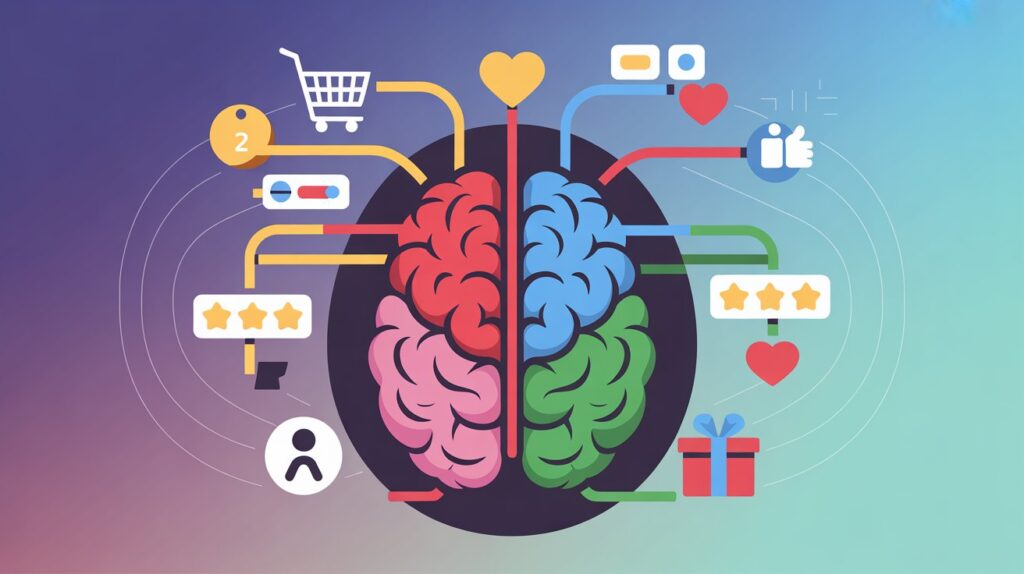
One of the most fascinating secrets of AI in marketing is how it taps into human psychology. AI systems don’t just track what you buy—they analyze when you buy, why you buy, and even how you feel before you buy.
For example, an AI might notice you’re more likely to shop late at night after browsing motivational content. The brand can then time its emails or notifications to appear right in that emotional window. It feels like coincidence, but it’s precise psychology at play.
This mysterious ability to align with human moods is why AI-driven campaigns often outperform traditional ones. They speak not just to needs, but to emotions.
The Future of Mysterious AI in Marketing
The AI secrets we see today—chatbots, predictive ads, personalized storytelling—are just the beginning. Soon, brands will use AI to create immersive experiences:
- Virtual store assistants that remember your style across platforms.
- Voice-based AI that suggests products as naturally as a friend.
- Hyper-personalized video ads where actors say your name and reference your unique interests.
The line between human creativity and machine intelligence will blur even more. And while this sounds futuristic, the truth is that many brands are already quietly experimenting with these tools.
FAQs
Q1: Are AI-driven chatbots replacing human customer support?
Not entirely. They handle repetitive tasks efficiently, but complex issues still require human agents. Brands combine both for balance.
Q2: How do brands use AI without consumers noticing?
Through personalization, subtle product recommendations, and human-like chatbot conversations. It feels natural, but it’s AI beneath the surface.
Q3: Is AI in marketing ethical?
It depends on transparency. When brands use AI responsibly—without manipulating or misusing data—it enhances customer experience.
Q4: Can small businesses use these AI secrets?
Yes. Affordable tools like ChatGPT, HubSpot AI, and ManyChat make it possible for even small brands to tap into these strategies.
AI is no longer a futuristic concept—it’s the invisible hand shaping how brands connect with us today. From mysterious chatbots to predictive ads, artificial intelligence is quietly rewriting the rules of marketing. The next time an ad feels like it “just knew,” remember: it wasn’t luck. It was strategy.
If you want to stay ahead in this evolving world of AI-driven marketing, keep exploring our insights and guides. Understanding these secrets now will give you the advantage tomorrow.