
Learn how to recognize early stress signals your body sends before burnout. Understand the signs and take action to protect your well-being.
Understanding Stress and Burnout
Most people think burnout appears suddenly, like a light switch flipping from “on” to “off.” The truth is, burnout creeps in slowly, giving you countless early warnings along the way. These warning signs aren’t mysterious or invisible—they’re messages from your own body and mind, urging you to slow down, adjust, and recover.
But here’s the catch: in our fast-paced, always-connected world, it’s incredibly easy to miss these signals. You tell yourself you’re just “a little tired,” “a bit irritable,” or “too busy to rest.” Before you know it, those small discomforts have stacked up into something far more serious.
This guide will help you understand what stress really is, how your body communicates that you’re nearing burnout, and—most importantly—how to respond before it’s too late. By the end, you’ll know how to listen to your body in a way that could transform your health, career, and quality of life.
What is stress?
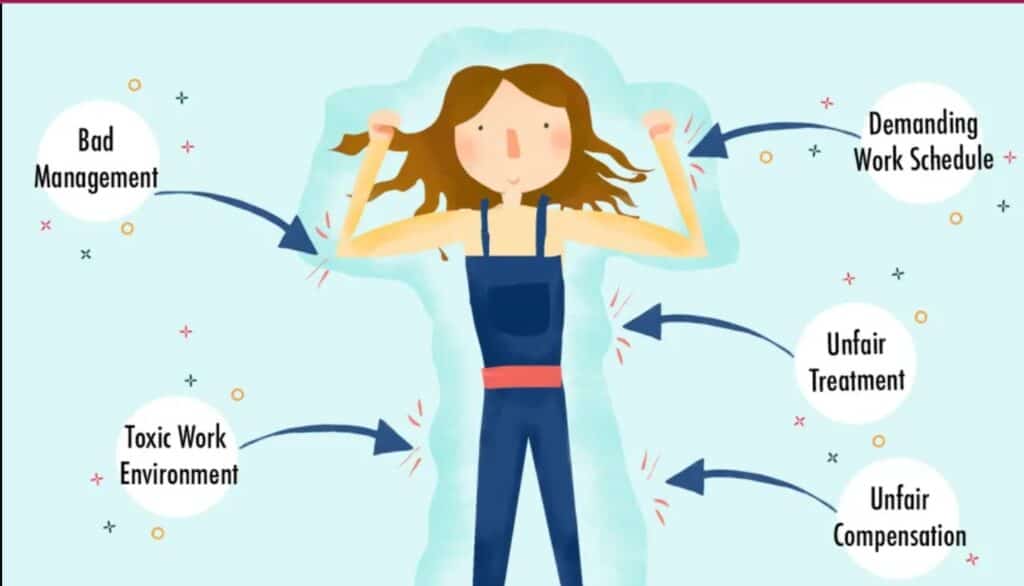
Stress, as explained on Wikipedia, is a natural reaction to challenges or threats. In small bursts, stress can be helpful—it sharpens focus, boosts energy, and helps you perform under pressure. This is often called the “fight-or-flight” response, and it’s an ancient survival mechanism.
However, when stress becomes constant and overwhelming, it moves from helpful to harmful. Chronic stress triggers physical, emotional, and behavioral changes that weaken your resilience and drain your energy reserves. Over time, this can lead to burnout—a state of emotional exhaustion, detachment, and reduced performance.
Burnout is more than feeling “tired” from work. It’s a deep depletion that makes even simple tasks feel heavy, drains your joy from activities you once loved, and can seriously harm your long-term health.
Physical Signals Your Body Sends Before Burnout
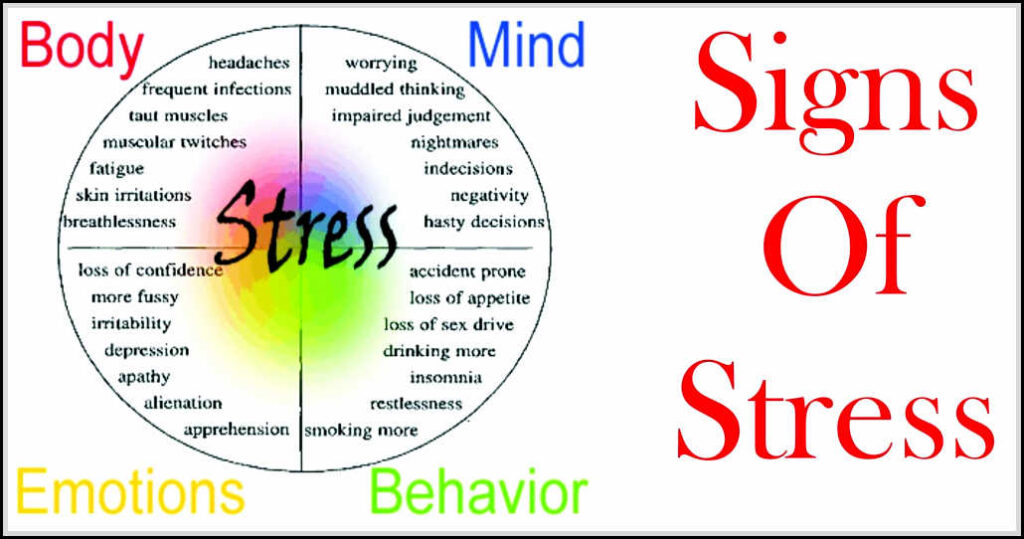
Your body often alerts you before your mind accepts there’s a problem. These physical symptoms may seem minor at first, but they’re worth paying attention to.
Muscle Tension and Aches
When you’re stressed, your muscles contract as part of your body’s defense mechanism. This constant tension—especially in the neck, shoulders, and back—can cause chronic pain or tension headaches. Many people think it’s just “bad posture” when it’s actually a sign of prolonged stress.
Sleep Disturbances
Trouble falling asleep, waking frequently at night, or waking too early are common signs of stress overload. Your body’s elevated stress hormones, like cortisol, disrupt natural sleep patterns, which in turn makes stress harder to manage.
Digestive Problems
The gut is sometimes called the “second brain” because it contains millions of nerve cells that interact with your brain. Stress can cause bloating, nausea, stomach cramps, or changes in bowel habits because it diverts blood flow away from digestion toward muscles and the brain.
Frequent Illness
Chronic stress suppresses the immune system, making you more susceptible to colds, infections, or slow recovery from illness. If you find yourself catching every bug going around, stress could be the culprit.
Changes in Appetite
Some people lose interest in food under stress, while others crave high-sugar or high-fat comfort foods. Either way, sudden and sustained changes in appetite may be an early burnout signal.
Emotional and Mental Clues
While physical symptoms are easier to spot, emotional and cognitive changes can be just as telling.
Irritability and Mood Swings
You might notice you snap at loved ones, feel impatient with coworkers, or react more strongly than usual to minor frustrations. This happens because stress affects your brain’s emotional regulation centers.
Difficulty Concentrating
Stress narrows your focus to immediate threats, which is great for survival but terrible for complex thinking. You may find it harder to read, remember details, or stay on task for long periods.
Negative Self-Talk
Stress can amplify your inner critic, making you doubt your abilities and decisions. This can become a self-fulfilling loop, lowering your confidence and performance. To learn more about how to quiet this voice, read our guide: Your Inner Critic Isn’t You — It’s an Inherited Voice You Forgot to Unsubscribe From.
Feeling Overwhelmed
Tasks that once felt manageable may suddenly seem impossible. This is often a sign that your mental energy reserves are running dangerously low.
Behavioral Changes to Watch For
Burnout doesn’t just affect how you feel—it changes what you do.
Social Withdrawal
You might cancel plans more often, avoid calls, or stop engaging in hobbies. While occasional downtime is healthy, ongoing isolation can signal a deeper issue.
Procrastination and Avoidance
You may start putting off important tasks, not because you’re lazy, but because you’re mentally and emotionally depleted.
Unhealthy Coping Habits
Overeating, excessive caffeine, alcohol, or late-night scrolling are ways people try to self-soothe. Unfortunately, these can worsen both stress and health over time.
Why We Ignore Stress Signals
One of the biggest dangers of stress is how easy it is to dismiss. We live in a culture that celebrates busyness and treats rest as optional. Admitting you’re stressed can feel like admitting weakness, so people push through—until they can’t.
Our brains also adapt to gradual change. If your stress increases slowly, you may not notice how far from your healthy baseline you’ve drifted. This “new normal” can mask serious warning signs until a breaking point arrives.
How to Respond Before It’s Too Late
Recognizing stress signals is powerful—but it’s only useful if you act on them.
Build Rest Into Your Day
Taking regular breaks isn’t a luxury; it’s essential maintenance. Even five minutes away from a screen to stretch, breathe deeply, or get fresh air can lower stress hormones.
Practice Mindfulness and Relaxation Techniques
Meditation, deep breathing exercises, or yoga can help you calm your nervous system. These don’t have to be long sessions—even short, daily practices can have a cumulative effect.
Set Clear Boundaries
Learning to say “no” protects your time and energy. This might mean declining extra projects, limiting after-hours emails, or creating tech-free zones at home.
Strengthen Your Support Network
Talk openly with friends, family, or colleagues about how you’re feeling. Consider professional help if stress symptoms are severe or persistent.
Fuel Your Body Well
Balanced nutrition supports your body’s ability to manage stress. Aim for whole foods, steady hydration, and consistent meal times.
The Long-Term Benefits of Listening Early
When you respect your body’s early warnings, you can make small adjustments before big problems arise. You protect not only your health but also your creativity, relationships, and work performance. People who respond early to stress signals are more resilient, adaptable, and better equipped to handle future challenges.
Frequently Asked Questions
How can I tell if I’m just tired or actually burning out?
Feeling tired can be fixed with rest, but burnout includes emotional exhaustion, loss of motivation, and persistent stress symptoms that don’t improve with short breaks.
Are stress signals the same for everyone?
No. While many people share common signs like headaches or irritability, each person’s stress “signature” is unique. Learning your personal patterns is key.
Can burnout be reversed?
Yes, but it takes consistent rest, lifestyle adjustments, and sometimes professional support. The earlier you intervene, the faster recovery tends to be.
How long does it take to recover from burnout?
Recovery time varies widely—from weeks to months—depending on severity, personal resilience, and the changes you make to reduce ongoing stress.
Is some stress actually good?
Yes, short bursts of stress can improve focus and performance. The goal isn’t to eliminate all stress, but to prevent it from becoming chronic.
Conclusion
Your body is an incredibly intelligent system, constantly sending signals about your well-being. By learning to interpret these messages—whether it’s a headache, a sleepless night, or a shift in mood—you can step in early, make small but powerful changes, and protect yourself from the exhausting toll of burnout.
Don’t wait for your body to shout when it’s already been whispering for weeks. Start tuning in today, set boundaries where you need them, and invest in habits that restore your energy. The earlier you act, the more life you’ll have to enjoy, free from the weight of constant stress.