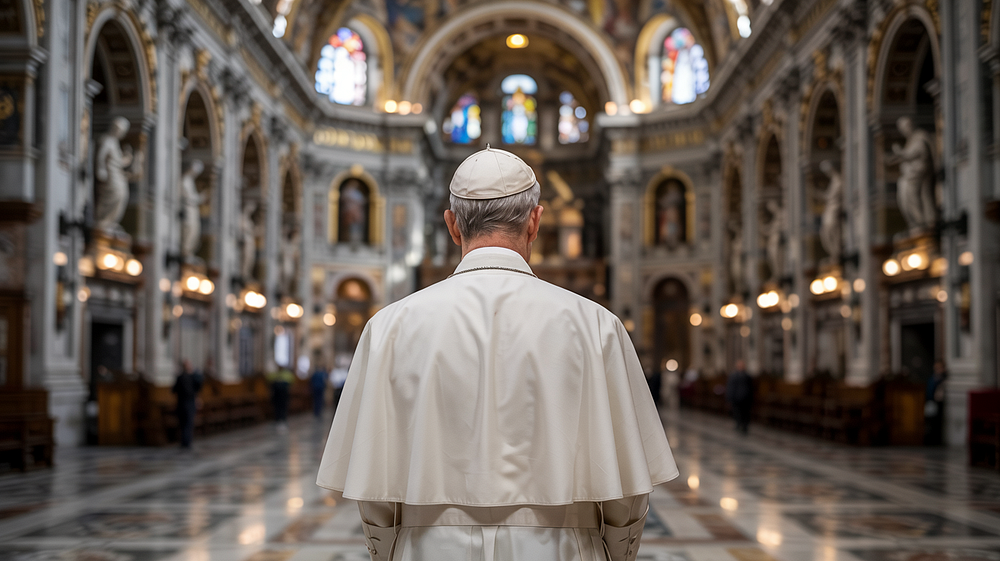
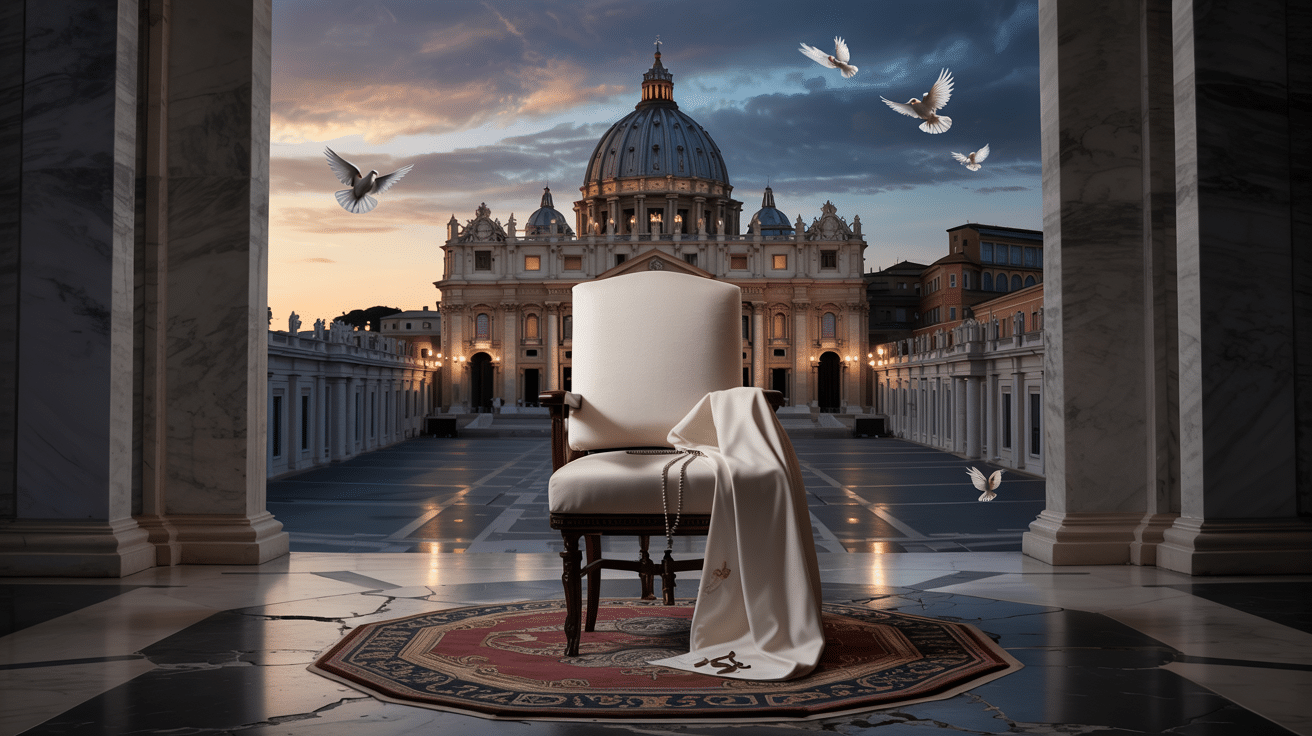
The bells rang just after 9.
A slow, sonorous rhythm.
Not a song. Not a celebration.
Just a sound that said: He’s gone.
At 7:35 AM on Easter Monday, Pope Francis — Jorge Mario Bergoglio — died in his private residence at Casa Santa Marta, Vatican City.
He was 88.
But this isn’t a timeline.
This is what happens when an institution loses its face.
They Called Him the People’s Pope
And in many ways, he was.
He refused the papal palace.
He rode a 20-year-old Renault instead of the Popemobile.
He kissed the feet of prisoners and washed them in silence.
He said things popes weren’t supposed to say:
- “Who am I to judge?”
- “Climate change is real, and deadly.”
- “A church that doesn’t serve the poor has no right to preach.”
He became the first Jesuit pope.
The first from Latin America.
The first to publicly challenge capitalism and the Church in the same breath.
He rattled the bones of Rome.
And Rome smiled — then waited for the moment to pass.
The System Endures. The Man Decays.
Now he’s gone.
And the white smoke hasn’t even risen yet, but the machine is already humming again.
Protocols. Schedules. Succession charts.
They’ll call it tradition.
But it’s something colder than that.
You can almost hear the gears turning:
- Where does the papal ring go?
- How soon can the Conclave begin?
- Which factions will align?
- How do we spin the legacy?
And while they arrange his body for public viewing at St. Peter’s Basilica,
The world watches.
Not to mourn — but to measure.
This Is What Institutions Do
They do not cry.
They do not stop.
They absorb greatness.
Then they reshape themselves around the void.
Because institutions don’t fear death.
They fear disruption.
And Francis — for all his compassion, his humility, his defiance —
Was still swallowed by the system he tried to stir.
The Myth We Keep Buying
We love the idea of the lone reformer.
The gentle disruptor.
The holy rebel who changes the machine from inside.
But here’s the truth no headline will say:
The system is designed to outlast the saints.
And it often weaponizes their memory once they’re gone.
Francis didn’t dismantle the hierarchy.
He softened its mask.
He didn’t erase corruption.
He just refused to live among its golden thrones.
He was a good man.
Maybe even a great one.
But systems don’t remember goodness.
They remember loyalty. Strategy. Optics.
So What Now?
The Church will bury its Pope.
They’ll place his ring in a crimson box.
They’ll recite Latin in St. Peter’s square.
They’ll hold vigil, offer prayers, and speak of his legacy in past tense.
And then they’ll choose another man.
Another name. Another face. Another figure to carry the weight of 1.3 billion believers’ projected hope.
And the cycle begins again.
The Real Question Isn’t About Francis
It’s about us.
What does it say about humanity that we still place our salvation in the hands of institutions that have failed us for centuries?
Why do we keep waiting for someone in white robes, or expensive suits, or on TEDx stages — to bless our dreams, validate our purpose, and give us permission to lead ourselves?
Pope Francis died trying to remind us of something ancient:
That true faith has no central office.
That love doesn’t need dogma.
That power used humbly is the only kind that ever really heals.
He lived that.
But most of the world watched him like a Netflix pope.
And now that he’s gone, we’re scrolling again — waiting for the next holy disruptor to save us from the dark.
Final Word
The Pope is dead.
But the illusion that someone else is coming to fix it all? That lives on. Until you bury it yourself.
📘 Still Waiting to Be Told Who You Are?
Start building your own gospel. Not from religion — but from resilience.
👉 Read 10X Your Future
A rebellion manual for the quietly powerful.
A blueprint for waking up while the world still sleeps.
Not holy. Not heretical. Just free.